What to Expect During a Soil Stabilization Estimate and Site Visit in Dallas–Fort Worth
Last updated: September 10, 2026
Key Takeaways
- A careful estimate should also say what is not included.
- What exactly are you stabilizing: the soil, the slab support, the driveway base, or the drainage around it?
- What parts of the work are excluded from the price?
- The technical part is not just a glance at the ground.
Quick Answer: A soil stabilization estimate and site visit in Dallas–Fort Worth usually takes 30 to 90 minutes on site, and the written estimate should clearly define the area, method, exclusions, and any testing. The real goal in a soil stabilization estimate site visit is simple: confirm whether the trouble is soil movement, drainage, or structure before anyone starts work.
A soil stabilization estimate in Dallas–Fort Worth starts with a site walk, a moisture and soil check, and a candid look at access, drainage, and foundation movement. During the site visit, the contractor decides whether your problem needs compaction, chemical treatment, under-slab work, or a different fix altogether. Slab cracks? Sticking doors? A driveway heaving near Fort Worth, Plano, Arlington, or Frisco? Get a professional involved and ask for a source-backed explanation of the likely cause and next step. No guessing.
What happens during a soil stabilization site visit?
A good site visit usually takes 30 to 90 minutes, and it should end with a clear plan, not a vague promise to “get back to you.”
Usually, the visit covers four things: symptoms, soil, site conditions, then repair options. In North Texas, that order makes sense because expansive clay is common across Dallas, Tarrant, Collin, and Denton counties, and that clay can swell when wet and shrink during long dry stretches. The contractor should look for cracked brick, sloping floors, separation at trim, standing water near the structure, and signs that gutters or grading are pushing water where it should not go. Ugly little clues. They matter.
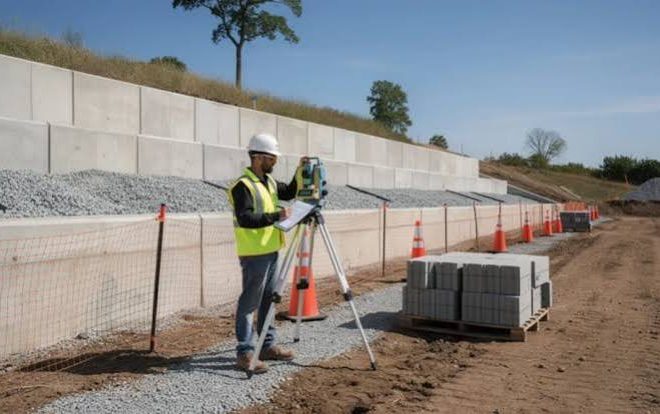
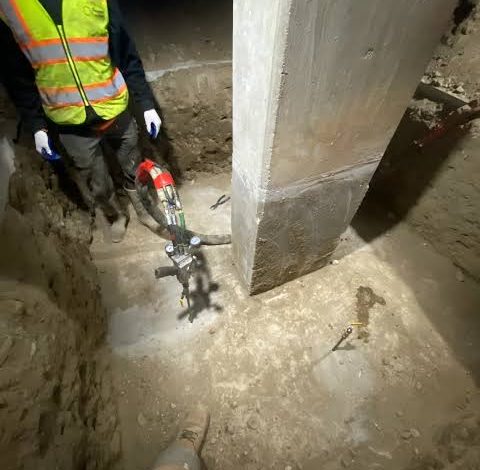
The technical part is not just a glance at the ground. Depending on the job, the estimator may use a probe, a hand auger, a moisture meter, or a simple density check. For larger projects, you may hear references to ASTM standards for compaction testing or geotechnical recommendations from a soils report. If a site has repeated settlement or a heavy structure, consult a professional and ask for prior repair records, permit drawings, or a structural engineer’s notes. The U.S. Army Corps of Engineers and ASTM both publish guidance used in soil and compaction work, including ASTM D698 and related density methods.
Here is the key point: the estimate is not only about fixing bad soil. It is about finding out why that soil failed under your slab, driveway, retaining wall, or pad in the first place.
How much does soil stabilization cost in Dallas–Fort Worth?
A soil stabilization estimate in Dallas–Fort Worth often falls into a broad range because the price changes with depth, access, square footage, and the method used.
| Service variation | Typical local price range |
|---|---|
| Small residential soil stabilization evaluation | $0 to $250 |
| Simple compaction and rework under a minor area | $1,500 to $4,000 |
| Chemical soil stabilization for a driveway, patio, or pad | $3,000 to $10,000+ |
| Under-slab stabilization tied to foundation repair | $5,000 to $20,000+ |
| Geotechnical testing or engineer-driven report | $500 to $2,500+ |
Those ranges are intentionally broad because jobs across Dallas–Fort Worth can look wildly different. A shallow patio area in Richardson is not the same job as a compromised slab in Irving with poor drainage, limited access, and prior patchwork repairs. Clay content, moisture variation, and the size of the treatment zone all change the labor and material count, so it is wise to consult a professional before comparing bids.
A quote that is far below the local range can be a warning sign. It may leave out excavation, hauling, re-compaction, engineering, or post-treatment testing, so consult a professional before you accept it. A quote that is much higher should come with a specific reason, such as deep treatment, difficult access, or the need to coordinate with a foundation repair plan.
I would be cautious with any bid that does not separate the estimate into line items. If the proposal says only “soil stabilization: $X,” you do not know whether that includes testing, permits, cleanup, or follow-up verification. The Federal Emergency Management Agency and local geotechnical firms both stress that scope clarity matters before work begins.
What will the estimator look at on my property?
The estimator will look at soil behavior, water movement, access, and the structure above the soil, and those four things usually decide both price and method.
Drainage is often the first clue. Heavy summer storms can dump water fast, then weeks of heat can dry the upper clay layer. That swing is rough on slabs, sidewalks, and drive approaches in places like McKinney, Grand Prairie, and Mansfield. The estimator should check whether downspouts discharge too close to the foundation, whether the lot slopes toward the building, and whether neighboring grades send runoff your way.
Then comes access. A narrow side yard, a pool deck, a fence line, or tight alley access can raise labor time by 1 to 3 hours or more on a small job because equipment has to be moved by hand or in smaller loads. In older neighborhoods of Dallas or Fort Worth, access can be as important as the soil itself. Really. Sometimes more.
The estimator should also ask about previous work. If there has already been foundation lifting, pier installation, or slab patching, stabilization may need to match earlier repairs rather than start from scratch. A missed detail here can make a second repair more expensive than the first.
If the property sits near a creek, on fill dirt, or on a recently developed lot in fast-growing suburbs such as Celina, Prosper, or Hurst, the estimator may pay closer attention to compaction history. Fill that was not compacted properly can behave very differently from native clay.
How long does the estimate take, and when should I book it?
Most estimates are scheduled in less than a day, and many site visits take less than 2 hours on site, but the best time to book is before the soil changes again.
In North Texas, timing matters more than many homeowners expect. Long dry periods can make settlement look severe in late summer, while cooler, wetter months can temporarily mask it. Seeing fresh cracks in July, August, or September? I would not wait for conditions to “settle down” on their own. The soil may keep moving until the moisture balance changes.
For emergency situations, such as a sudden slab drop, a sinkhole-like void, or a driveway that has started to fail after a major rain event, ask whether the contractor can do a same-day or next-day site visit. Not every stabilization company offers that, and some will only do emergency assessments for active structural risk or severe drainage failure.
A normal residential estimate may take:
- 15 to 30 minutes for a simple driveway or patio issue
- 45 to 90 minutes for a foundation-related stabilization visit
- 1 to 2 hours if the job needs measurements, photos, and access checks around the whole perimeter
If you are in Dallas, Fort Worth, Arlington, Plano, Irving, Garland, Lewisville, or nearby suburbs, local crews are often busiest after heavy rain, after the first hot spell of summer, and after long dry stretches. Those are the times when soil movement complaints spike, so booking can take longer.
What should be included in the written estimate?
The written estimate should tell you exactly what will be stabilized, how deep, how much material will be used, and what happens if the soil condition changes once work starts.
I would want to see at least these items in writing, and I would consult a professional if any are missing:
- The area or structure being treated, with approximate dimensions in feet
- The method proposed, such as re-compaction, chemical stabilization, lime treatment, cement treatment, or under-slab work
- Any testing or verification, such as field density checks or compaction confirmation
- Site preparation, excavation, haul-off, and cleanup
- Drainage or grading corrections that are part of the job
- Permit responsibility, if the city requires one
- Warranty terms, with limits spelled out plainly
In North Texas, permit rules can vary by city and by scope. A small driveway patch may not need the same paperwork as work tied to a foundation repair or major site regrading. If the estimator cannot say whether the job touches city permitting in Dallas, Fort Worth, Plano, Arlington, or another local municipality, that is a problem. Ask directly before you sign, and consult a professional if the answer is unclear.
A careful estimate should also say what is not included. That is not a weakness; it is honesty. For example, if the contractor is stabilizing the soil but not fixing the roof gutter that dumps water onto the same corner, you need to know that before you approve the work.
Red flags during a soil stabilization estimate
A soil stabilization estimate is too vague if it avoids soil depth, ignores drainage, or promises a fix without inspection.
The biggest red flag is a quote given over the phone with no site visit for a foundation or settlement issue. A contractor cannot responsibly price under-slab or load-bearing stabilization in Dallas–Fort Worth without seeing the lot, the access, and the movement pattern. Another red flag is a “one-size-fits-all” recommendation for every property, especially when the area includes both expansive clay and variable fill.
Watch for these warning signs:
- No mention of moisture, drainage, or compaction
- No explanation of why that method fits your soil
- No distinction between cosmetic cracking and structural movement
- A promise that sounds absolute, such as “permanent” or “guaranteed” without limits
- No mention of testing or post-work verification
- Pressure to sign immediately, especially after a brief walkaround
I would also be careful if the estimator dismisses local soil conditions in places like Farmers Branch, Bedford, Euless, or DeSoto. In this region, clay behavior is not a small detail. It is usually the main event.
Who this is not for: if you want the cheapest possible patch and do not care whether the underlying cause gets fixed, a careful stabilization estimate will feel slow and expensive. That is because real soil work usually includes diagnosis, and diagnosis costs time.
Local conditions in Dallas–Fort Worth that change the estimate
Dallas–Fort Worth soil estimates change because the ground here is rarely uniform, and the weather can flip the problem twice in one year.
Much of the metro sits on clay-rich soils that react sharply to moisture changes. That means a lot of estimates revolve around movement, not just bad construction. Summer heat can dry the top layer quickly, while spring and fall rains can keep moisture near the footing line or under a slab for weeks. That cycle matters for homes in older neighborhoods of Dallas and Fort Worth as much as it does for newer lots in Prosper, Little Elm, and Rockwall.
The estimate may also shift if the property has:
- Poor drainage from flat lots common in some suburban developments
- Fill placed during grading or additions
- Mature trees close to the foundation
- Retaining walls under pressure from wet clay
- Hardscape that traps water along the edge of the slab
If the work is tied to a repair plan that needs engineering input, you may see references to ICC building codes, local city requirements, or a geotechnical report. That does not mean your project is overbuilt. It means the contractor is trying to keep the repair aligned with the structure and the soil, which is the right move when settlement is active. For soil stabilization estimate planning, the International Code Council and Texas local code offices are useful references when permits or repair coordination are involved.
Questions I would ask before I book
I would ask five direct questions before I schedule the job, and I would expect straight answers.
- What exactly are you stabilizing: the soil, the slab support, the driveway base, or the drainage around it?
- Will you check moisture conditions and compaction, or is this just a visual estimate?
- How long will the visit take, and can you do same-day or next-day service if the problem is urgent?
- What parts of the work are excluded from the price?
- Do I need a permit, engineer review, or city inspection in my municipality?
Those questions matter because a soil stabilization estimate is only useful if it tells you the real scope. A good answer in Dallas, Fort Worth, Plano, Arlington, or the nearby suburbs should sound specific, not rehearsed.
FAQ: soil stabilization estimate and site visit
A free estimate is common for residential site visits, but it is not guaranteed, especially if the job needs testing or engineering review.
How soon can I get an emergency soil stabilization visit?
Often the same day or the next business day for active settlement, sudden drainage failure, or a dangerous void, but availability depends on the size of the problem and the storm season.
Should I get more than one estimate?
Yes, two is a good minimum for larger foundation-related work, because methods and scopes can vary a lot even when the symptoms look similar.
Will the estimator need to go inside my home?
Sometimes yes, especially if floors are sloping, doors are sticking, or interior cracks help map the movement.
Do I need to be home for the visit?
Usually yes, because the estimator needs access to exterior edges, water sources, prior repair areas, and any interior signs of movement.
How long is a written estimate good for?
That depends on the contractor, but in a market shaped by weather and labor availability, 15 to 30 days is a common window for a proposal before conditions or pricing can change.
The bottom line before you schedule
A solid soil stabilization estimate in Dallas–Fort Worth should explain the problem, name the method, show the limits, and match local clay and drainage conditions.
If the visit feels rushed, the quote is vague, or the contractor ignores water flow and soil movement, keep looking. If the estimator talks plainly about access, compaction, moisture, permits, and what is not included, you are much closer to a repair plan that makes sense for this area.
The right estimate does not just give you a price. It tells you whether your problem is soil, water, structure, or all three.