How Soil Stabilization Helps Stop Foundation Settlement in Houston, Texas
Last updated: September 10, 2026
Key Takeaways
- Most soil stabilization work takes 1 day to several days, but the schedule depends on the method and the scope.
- For small injection jobs or drainage checks, sometimes yes. Full repair? Usually not in one day, and inspection may come first.
- Hairline cracks become door gaps, drywall separations, and floors that feel out of level. Fast.
- How will the contractor handle drainage so the problem does not come back?
Table of Contents
- What soil stabilization does for a settling foundation
- Why Houston soils settle the way they do
- How soil stabilization helps stop foundation settlement in practical terms
- Typical soil stabilization methods and what each one fixes
- What does soil stabilization cost in Houston?
- How long the work takes and when it should be scheduled
- How to vet a foundation repair contractor in Houston
- Red flags: quotes that should worry you
- FAQ: soil stabilization and foundation settlement in Houston
- The short version for Houston homeowners
Under a slab or footing, weak or wet ground can be coaxed into carrying load more evenly; that is what soil stabilization does, and it lowers the odds that one side of a foundation sinks faster than the rest. In Houston, expansive clay, heavy rain, high groundwater, and long dry spells can all shove soil around enough to affect a house. That matters. For a broader overview, see the USDA NRCS and the Texas A&M AgriLife Extension guidance on soil behavior and moisture.
I wrote this for homeowners in Houston, Spring, Katy, Cypress, Sugar Land, Pearland, Pasadena, and nearby communities who are seeing cracks, sloping floors, sticking doors, or a report that says the house is settling. This is general information, not legal advice; a qualified lawyer should be consulted if your issue involves a contract dispute, disclosure question, or a claim against another party. Rules, permits, and liability standards vary by jurisdiction, and in Texas the process often depends on whether you are dealing with private property, a municipal permit, or a seller’s disclosure issue.
What soil stabilization does for a settling foundation
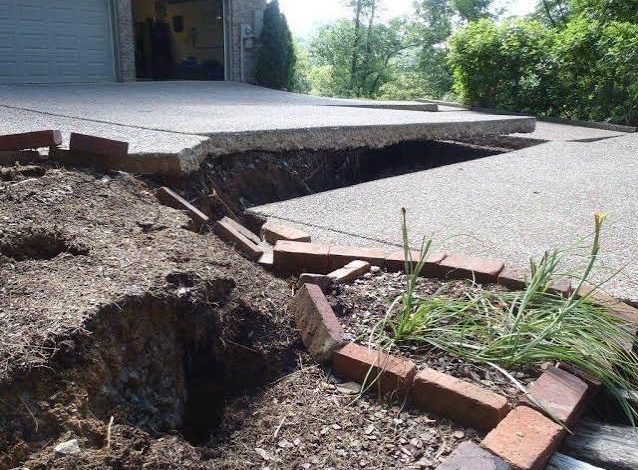
Soil stabilization cuts down movement in the ground so the foundation sits on a more even base. When soil under part of a slab loses strength, shrinks, swells, or washes out, that section may drop a fraction of an inch first and then keep moving. Then the damage starts to show.
Around Houston, the cause is rarely just one thing. Clay-rich Gulf Coast soils can hold water and then shrink during dry weather. Flat lots with poor drainage can keep water against the house. Older fills, tree-root zones, and utility trenches can settle differently from native soil. A stabilization plan tries to correct the soil’s behavior before structural repair, or alongside it.
The main methods usually fall into a few buckets:
- Chemical stabilization uses lime, cement, or similar binders to change the soil’s plasticity and strength.
- Compaction-based repair densifies loose or disturbed soil, often under slabs or around additions.
- Grouting or injection methods fill voids or improve support where soil has washed out or been left loose.
- Drainage correction does not “strengthen” soil in a laboratory sense, but it often stops the moisture swings that cause movement in the first place.
The point is not to make soil permanent in an absolute sense. It is to make it predictable enough that the structure above it stops chasing moving ground. For structural context, the Foundation Performance Association and ASHRAE both discuss how moisture and movement affect building performance.
Why Houston soils settle the way they do
Water, clay, and fill usually show up together. That is the headache. It is why one-size-fits-all repair quotes are a red flag.
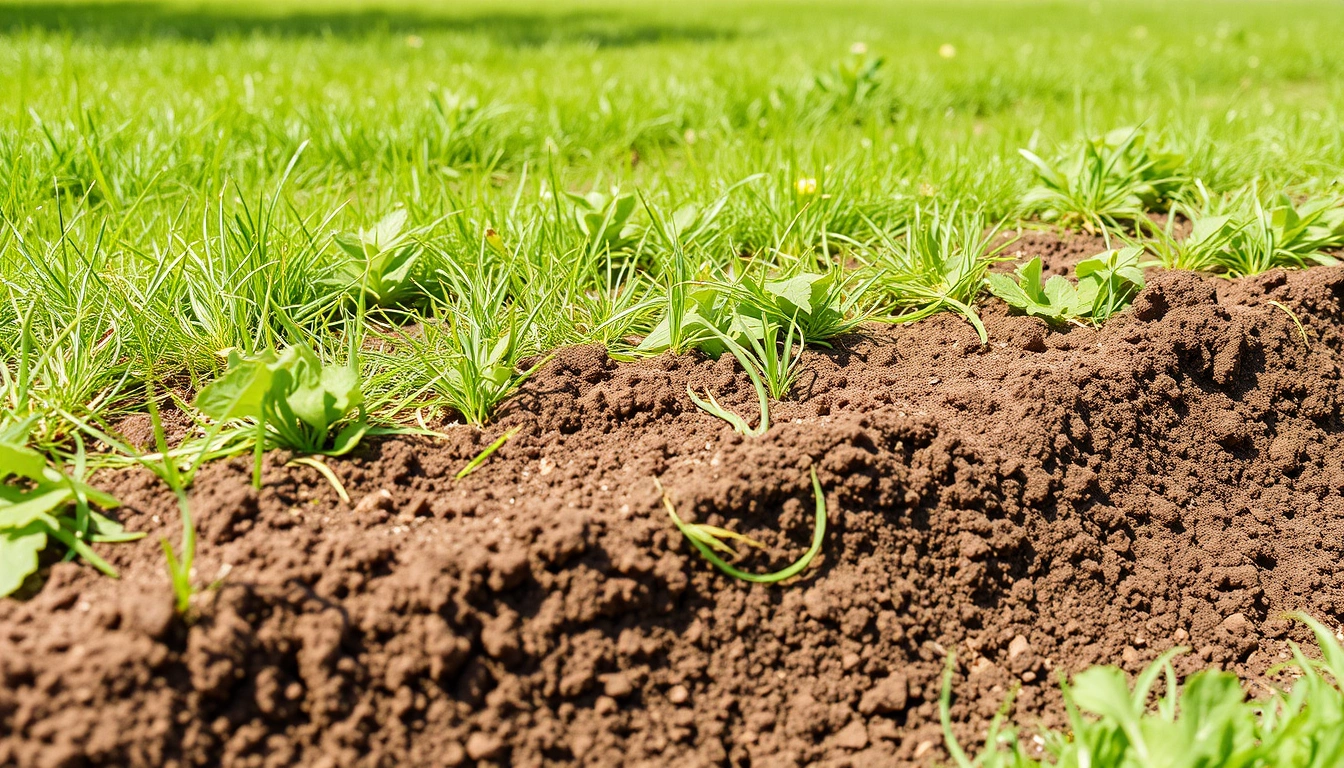
The region’s black and gray clays can expand when wet and contract when dry. That shrink-swell cycle can be enough to create seasonal movement of a slab, especially where the lot drains badly or irrigation keeps one area wetter than another. Houston also has many neighborhoods built on fill, where imported soil was placed and compacted to varying degrees. If fill was not properly placed, it can compress later under the weight of the structure.
This matters most in places where:
- gutters dump water near the foundation
- soil has been cut and filled for a patio, addition, or driveway
- large trees draw moisture unevenly from one side of the house
- plumbing leaks soften soil under or near the slab
- older homes have long-term drainage problems from the street or neighboring lots
Near the coast, including parts of Pasadena and Clear Lake, high moisture and soft subsoils can complicate repair planning. In Harris County and nearby suburbs, drainage and site grading can be just as important as the foundation itself. A house in Katy on one kind of clay profile may need a different fix from a house in Spring built on disturbed fill. For local drainage standards, the City of Houston drainage guidance is a useful starting point.
How soil stabilization helps stop foundation settlement in practical terms
Three things matter here: strength, density, and moisture control. When a repair engineer or contractor looks at the site, they are usually asking which one is failing.
Strong enough soil carries the load without compressing as much. Loose or voided ground benefits from compaction or injection, which reduces the empty space that later collapses. If the problem is moisture swing, drainage and moisture conditioning can reduce the shrink-and-swell cycle that keeps moving the slab.
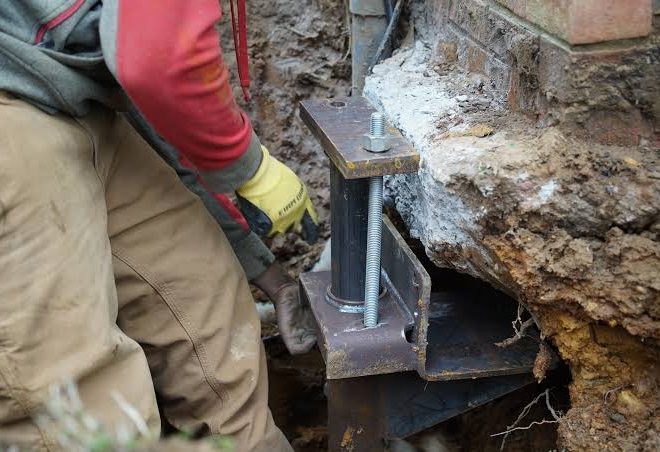
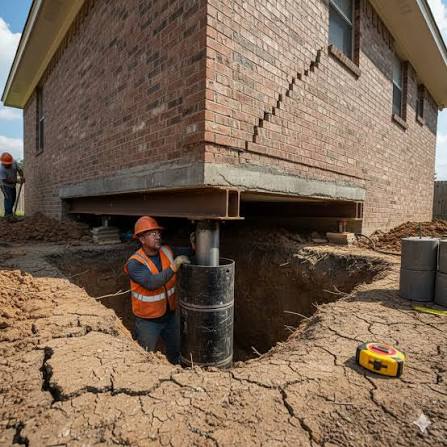
That is why stabilization often works best as part of a broader foundation plan. A pier may lift or support the structure, but if the soil beneath remains soft or highly active, the conditions that caused settlement can come back. A stabilized base gives the repair a better shot at holding.
Honestly, I would not treat soil stabilization as the answer for every foundation problem, and a licensed foundation professional or structural engineer should evaluate the site first. It is the wrong fix if the real issue is a broken beam, rotten framing, major plumbing failure, or a structural design defect that needs separate repair. It is also not a magic cure for severe differential settlement where the structure has already moved far beyond what the soil can reasonably correct, so professional evaluation is the safer path. For engineering guidance, see the National Society of Professional Engineers and the Texas Board of Professional Engineers and Land Surveyors.
Typical soil stabilization methods and what each one fixes
Soil stabilization is not one technique. It is a family of methods, and the right one depends on what the soil is doing.
1. Lime or cement treatment
This is common in expansive clay or plastic soils, but a geotechnical professional should confirm that the mix and depth fit the site. A binder is mixed into the soil to reduce plasticity and increase stiffness. It is more often used in preparation work, roadbeds, slabs, and engineered pads than in every existing house, but it can matter on additions or rebuilds.
2. Compaction grouting
A grout mix is injected into the ground to densify loose zones and fill voids. It is useful when settlement is caused by underground soft spots, utility trench backfill, or washout.
3. Mudjacking or slab lifting with stabilized fill
This lifts certain concrete surfaces by pumping material beneath them. It can help sidewalks, driveways, and sometimes slab edges, but it is not the same as curing unstable residential foundation soil. It is often a surface repair, not a full soil fix.
4. Polyurethane or resin injection
These systems expand to fill voids and sometimes raise concrete. They can be fast and low-disruption for small areas, but I would be cautious about treating them as a cure for broad structural settlement in a house on active clay, and a structural review is wise before you rely on them.
5. Drainage and moisture control
French drains, regrading, downspout extensions, controlled irrigation, and gutter work do not sound dramatic, but they often do the most to stop repeat movement. In Houston’s climate, moving water away from the house is often part of stabilizing the soil.
A common mistake is paying for lifting before stabilizing the cause. That can make the slab look better for a while, but it leaves the ground free to move again. And then what? The same trouble can return.
What does soil stabilization cost in Houston?
Soil stabilization in Houston usually costs less than major structural reconstruction, but the price depends heavily on access, depth, soil type, and whether the work is preventive or part of a foundation repair package.
Here is a practical local planning range, based on typical contractor pricing and project scope, rather than a fixed rate:
| Service type | Typical Houston price range | What changes the price |
|---|---|---|
| Drainage correction around the foundation | $1,000–$6,000+ | Lot slope, gutter length, trench depth, discharge route |
| Localized compaction or void filling | $500–$2,500 per area | Access under slab, depth, number of injection points |
| Polyurethane slab lifting in small areas | $1,500–$5,000+ | Square footage, lift amount, number of slabs |
| Larger foundation stabilization package | $3,000–$15,000+ | Extent of settlement, pier count, engineering needs |
| Soil treatment for new slab or addition | $2,000–$10,000+ | Soil volume, binder type, compaction requirements |
Those are not quotes. They are planning ranges, and any legitimate contractor in Houston should explain why your site falls near the low end or the high end. If someone gives a flat price without asking about drainage, soil conditions, or the age of the house, I would treat that as a warning sign, and the Better Business Bureau recommends checking written scopes before you sign.
Homes in neighborhoods with tighter access, older landscaping, or slab edges close to fences can cost more because equipment and labor take longer. The same is true in outlying areas like The Woodlands, League City, Richmond, and Alvin, where the lot conditions may be different even if the house size is similar.
How long the work takes and when it should be scheduled
Most soil stabilization work takes 1 day to several days, but the schedule depends on the method and the scope. A small injection job may be finished in a single visit, while drainage correction plus structural repair can run longer.
Houston weather changes the timing. Spring and fall are often easier scheduling windows because the weather is less punishing, but emergency work does not always wait for a mild season. After a major rain, the soil may be too wet for accurate assessment in some cases; after a long dry spell, the ground may already be pulled away from the perimeter, which changes how a contractor evaluates the fix.
If the home is actively moving, do not wait for a “better season” just to save a few weeks. But if the issue is minor and the house is stable enough for a normal schedule, a careful inspection before the next big weather swing can help a contractor see the real pattern.
Permit and code questions depend on the city. In the Houston area, some drainage or structural work can trigger local permits, and homes in incorporated cities such as Houston, Pasadena, Sugar Land, and League City may face different review rules than unincorporated Harris or Fort Bend County areas. A contractor should know when the project needs engineering, city approval, or both. The City of Houston and Harris County pages are good places to verify local requirements.
How to vet a foundation repair contractor in Houston
A good contractor can explain the soil problem in plain language and tie the repair method to that problem. That is the standard I would use.
Ask for these specifics before you sign anything:
- What soil condition is causing the settlement: shrink-swell clay, fill, voids, poor compaction, or drainage?
- What part of the work is soil stabilization and what part is structural repair?
- Will the plan include engineering or a written repair scope?
- How will the contractor address drainage so the problem does not return?
- What happens if the soil is wetter or drier than expected on the day of work?
In Texas, foundation work can touch on engineering and contractor licensing questions depending on the exact trade involved, and local municipalities may require permits for portions of the job. That is another reason to avoid vague bids. A serious bidder should be able to describe the scope, the sequence, and the limits of the repair. For license checks, use the Texas Department of Licensing and Regulation and the Texas Board of Professional Engineers and Land Surveyors.
I would be careful with anyone who promises a “permanent fix” without describing the soil conditions, or who dismisses drainage as unimportant in a city where water drives so many foundation problems. I would also be wary of anyone who pushes full house lifting when a smaller stabilization plan is the actual fit. That sort of pitch can smell off fast.
Red flags: quotes that should worry you
A quote should worry you if it sounds simpler than the site probably is. Houston soils are rarely simple.
Watch for these red flags:
- a bid that does not mention soil type, drainage, or moisture conditions
- a promise to “fix settlement once and for all”
- no mention of engineering where the damage is significant
- no explanation of whether the work is under the slab, around the perimeter, or both
- a price that is dramatically lower than other detailed bids
- a contractor who says the cracks matter but the underlying soil does not
The biggest problem is not always bad workmanship. Sometimes it is the wrong diagnosis. If a house on the southwest side of Houston near Meyerland or a similar clay-heavy area has recurring movement, the soil and drainage pattern may need a different response than a house on higher or better-drained ground in parts of West University or Clear Lake. The wrong plan can spend money and still leave the structure moving.
Soil stabilization is also not ideal for every owner. If you are planning to sell immediately, for example, the repair may need to be weighed against disclosure issues and timing under Texas rules. If you are dealing with a boundary, neighbor drainage, or insurance dispute, the repair question can overlap with legal questions fast.
FAQ: soil stabilization and foundation settlement in Houston
Can soil stabilization stop foundation settlement completely?
It can stop or reduce settlement when the soil problem is the main cause, but it does not guarantee that a structure will never move again, especially in Houston’s shrink-swell soils.
Is same-day foundation stabilization possible in Houston?
Sometimes for small injection or drainage assessments, yes, but full repair usually takes more than 1 day and may require inspection first.
Do I need a free estimate before I call an engineer?
A free estimate can be useful for screening, but if the cracking is significant or the house has already shifted, an engineering evaluation may give a better scope than a sales visit alone.
Should I fix drainage before or after foundation repair?
Usually the drainage issue should be addressed as part of the repair plan, because water control often determines whether the soil keeps moving.
Can soil stabilization help homes in Spring, Katy, Cypress, and Sugar Land too?
Yes, because those areas also deal with clay soils, fill, and drainage problems, though the exact repair approach changes with lot grading, soil profile, and local permit requirements.
The short version for Houston homeowners
Soil stabilization helps stop foundation settlement by making the ground beneath the house less likely to shrink, swell, collapse, or wash out. In Houston, that usually means dealing with clay, drainage, fill, or a mix of all three. The best repair is the one that matches the soil problem, not the one that sounds biggest.
If your foundation issue is small, fast action can keep it from turning into a larger structural repair. If it is already severe, stabilization may still help, but it should be part of a broader plan that accounts for engineering, drainage, and local permitting rules in your city or county.