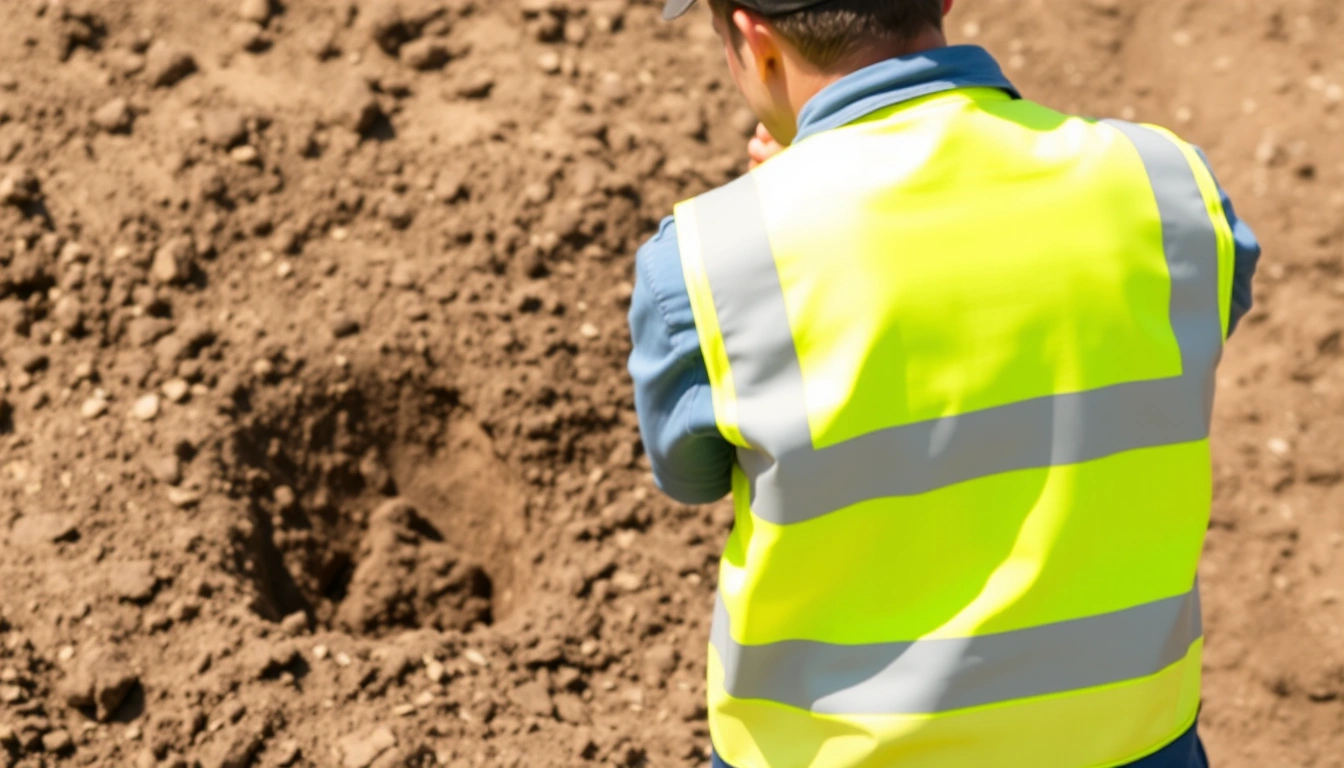
When a Geotechnical Soil Test Is Needed Before Foundation Work
Last updated: September 10, 2026
Key Takeaways
- Clay can swell when wet and shrink when dry, which puts stress on shallow foundations.
- A site-specific soil investigation is often better than a generic “soil report,” depending on the project.
- A geotechnical soil test is a site investigation that checks the ground conditions under a proposed foundation.
- A proper test is often done before final foundation drawings are locked.
A cracked slab can start with a quiet soil problem. Not glamorous. But real. Planning foundation work? A geotechnical soil test is needed whenever the ground could change the footing design, drainage plan, excavation depth, or permit path. This article focuses on when a geotechnical soil test is needed before foundation work on uncertain soil, before additions that add load, after signs of movement, and any time a local engineer or building department asks for one. Speak with a qualified geotechnical engineer or foundation professional about your site, because the right call depends on your lot, your structure, and your local code. The American Society of Civil Engineers notes that subsurface conditions can materially affect foundation performance, and that is why site-specific evaluation matters. ASCE
Here, I am using geotechnical soil test the way most owners mean it: a subsurface investigation that helps answer whether the soil can support the planned foundation, how wet it stays, and what kind of footing or slab design is sensible. A site-specific report is often better than a generic one, but not every project needs the same level of detail. Sometimes basic bearing information is enough; sometimes you need borings, groundwater observations, lab classification, and an engineer’s recommendations. See the International Code Council for building-code context, along with foundation repair guidance on related site issues.
What a geotechnical soil test is, and what it is not
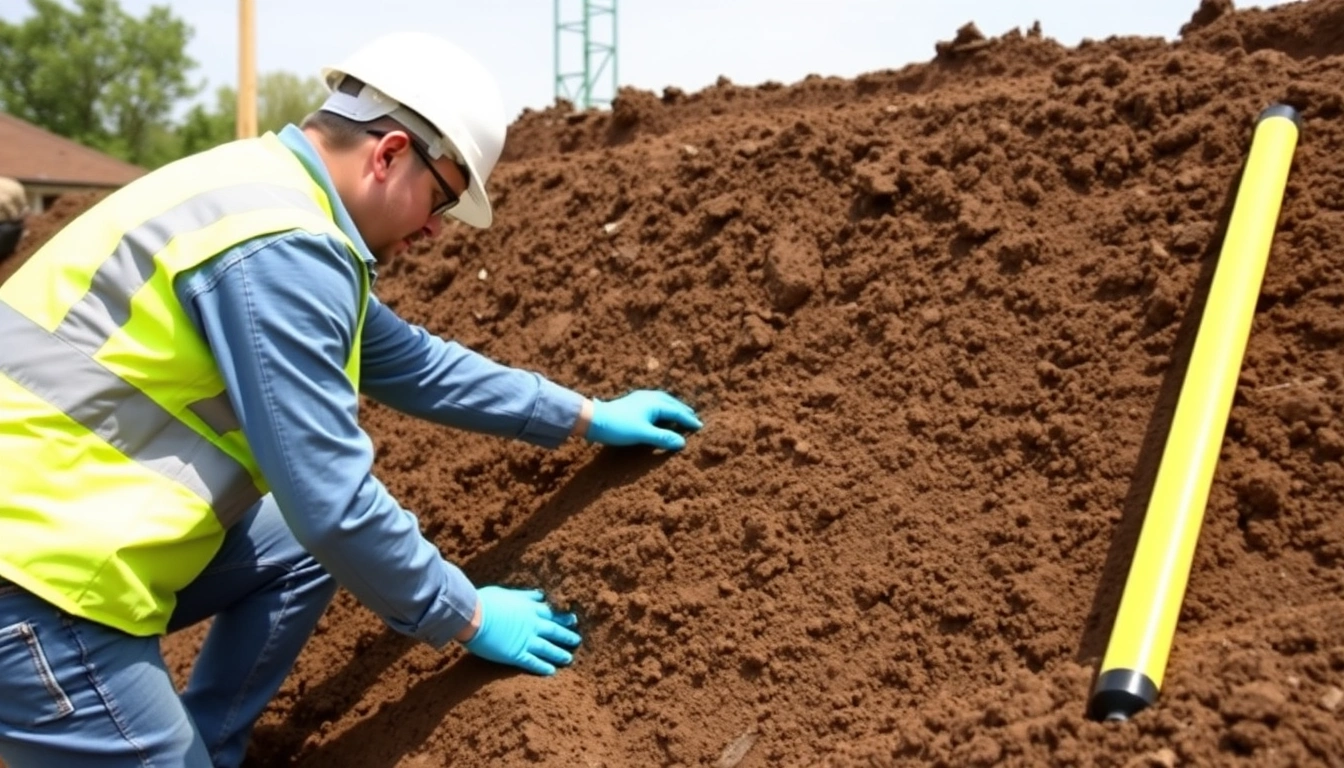
A geotechnical soil test is a site investigation that checks the ground conditions under a proposed foundation. It is not a pest inspection, not a landscaping soil check, and not just a compaction note from the earthwork crew. The useful output is usually a report tied to a specific structure, showing soil type, moisture or groundwater concerns, bearing capacity, settlement risk, and foundation recommendations.
That difference really matters in Houston, Dallas–Fort Worth, Atlanta, Charlotte, Nashville, Tampa, and coastal South Florida, where clay, fill, or high groundwater can change the foundation design more than the floor plan does. In those markets, the choice between a shallow spread footing, a pier-and-beam layout, a mat, or a slab with deeper edge support can be the difference between a routine permit and a redesign. In plain English, the dirt gets a vote. For broader planning context, see foundation cracks and site grading.
A proper test is often done before final foundation drawings are locked. Good timing, actually. It is the point. Should the report show expansive clay, loose fill, organics, or perched water, the engineer can size the foundation to the site instead of guessing.
This is not for every tiny repair. Patching a hairline crack in an old patio slab? A full geotechnical program is probably too much. But if you are adding a second story, building a garage, replacing failed footings, or placing a heavier addition on an older lot, skipping the soil work is where I would start worrying. For a related overview, see foundation settlement.
For readers who want a standard to hang this on, geotechnical lab classification often follows ASTM methods, while the investigation itself is commonly written to align with local building code expectations and an engineer’s scope. The exact testing mix varies by site, and ASTM D2487 is commonly used for soil classification. ASTM D2487
When is a geotechnical soil test needed before foundation work?
A geotechnical soil test is needed before foundation work when the site condition is unknown, the structure load is changing, or the ground has a history of movement. Short version. That covers most real jobs.
I would split the common triggers into six buckets:
-
New home construction
On an empty lot or teardown site, a test is usually the cleanest way to confirm bearing soil, depth to competent strata, and whether the lot contains fill. In suburbs with variable development history—think Frisco, Austin outlying tracts, Gwinnett County, or the South Bay edges of older fill—this matters more than many first-time owners expect. A new house can load the ground with tens of thousands of pounds, so early testing can save a redesign. Ignore it, and the footing can become a guessing game. -
Additions that change the load
A room addition, second story, sunroom, garage, or masonry element can force the foundation to carry more than the original structure did. A lightweight remodel may not need a report; a true structural addition often does. For permit planning, see home additions and local permits guidance. -
Slab-on-grade work on clay or mixed fill
Broad clay regions bring seasonal moisture swings, and those swings can cause shrink-swell movement. A soil test helps the designer decide whether to deepen edges, stiffen the slab, improve drainage, or change the foundation type. This is a common issue in North Texas, parts of the Carolinas, and many inland Southeast lots. In Dallas–Fort Worth, expansive clay is one reason foundation repairs can get expensive in a hurry. -
Sites with visible red flags
These include cracks wider than a hairline, doors or windows that stick, sloping floors, retaining wall distress, standing water after rain, or patches of imported fill. A soil test is often the next step when those symptoms suggest the ground is part of the problem. If you already see movement, see signs of foundation problems. -
Poor drainage or high water table
When the lot ponds, sits low, or has a history of saturation, a geotechnical report can tell the designer whether the foundation needs more freeboard, better drainage, or a different elevation strategy. In coastal and river-adjacent areas, this is a frequent issue. After heavy rain, a site that stays wet for 24 to 48 hours deserves attention. That kind of soggy ground is not shy about causing trouble later. -
Permits that require engineering
Some jurisdictions ask for geotechnical input before issuing a permit for larger foundations, hillside work, retaining structures, or unusual foundation systems. Local rules vary, so I would check early rather than after a plan review rejection. The ICC and many local building departments require documentation for complex foundation work.
If the project is small and the ground is well known, the answer may be no. Honest trade-off. A simple detached shed, a minor porch repair, or a cosmetic slab replacement may not justify the cost of borings and a formal report. But if the foundation is carrying real structure and the soil is a question mark, the report is usually cheaper than design changes after excavation starts. In many cases, one report now can prevent a second mobilization later.
How much a geotechnical soil test can cost in your area
A geotechnical soil test can range from a modest site visit to a full investigation with borings, lab work, and an engineer’s report, and the price depends on depth, number of borings, access, and local geology. I cannot give a universal price without pretending your site is average, because it never is.
Here is a practical way to think about the work items a local owner may be quoted for:
| Service variation | What it usually covers | Typical cost driver |
|---|---|---|
| Basic site evaluation | Visual review, limited sampling, foundation opinion | Small scope, easier access |
| Geotechnical borings | Drilling, sampling, subsurface logging | Depth, number of holes, rig access |
| Lab classification | Soil type, moisture, density-related tests | Number of samples and turnaround |
| Foundation report | Engineer’s recommendations for footing/slab design | Complexity of structure and soil |
| Re-test or supplemental borings | Added work after a first report | Unknown conditions or plan changes |
In practical local terms, a single-lot house lot in a straightforward part of the metro often costs less than a hillside site in a tight urban infill area with bad access. A site in Plano or Sugar Land with room for a rig is not the same as a narrow lot in central Austin or a steep parcel in the hills above San Diego. Transport, drilling depth, and getting the equipment onto the pad can move the quote as much as the soil itself. In many Texas metro areas, a basic residential investigation may be a few thousand dollars, while more complex sites can cost more.
What I would watch for is not just the number on the proposal but what it includes:
– how many borings or test pits are planned,
– how deep they will go,
– whether lab classification is included,
– whether the engineer will seal the report,
– whether a follow-up call is included if the plan changes.
A low quote that excludes the report can be a trap. So can a high quote that bundles unnecessary work for a simple foundation. If your site is in Dallas, Fort Worth, Arlington, Garland, Irving, or nearby suburbs, ask whether the quote reflects expansive clay conditions and whether it assumes a slab, pier, or crawlspace. Those assumptions change the job. A $1,500 quote and a $4,000 quote can describe very different scopes.
How local soil and weather change the decision
Local soil and weather change the decision because they change how the ground moves, holds water, and supports a foundation. That is especially true in places with expansive clay, seasonal wet-dry swings, fill soils, coastal groundwater, or freeze-thaw exposure. Because of that, a site in one county can behave very differently from a similar-looking lot two miles away.
Here is the practical version by condition:
- Expansive clay: Common in many inland metro areas. Clay can swell when wet and shrink when dry, which puts stress on shallow foundations. A geotechnical report helps the engineer decide whether to deepen support, control moisture, or use a different foundation type.
- Fill soil: Common on subdivided land, older redevelopment sites, and lots that were graded over time. Fill can be uneven and settle more than native soil. The test helps identify whether fill is suitable beneath the planned foundation.
- High groundwater: More common near coasts, rivers, low-lying subdivisions, and flood-prone corridors. Water affects excavation stability, bearing, drainage, and sometimes the foundation system itself.
- Sandy soil: Often drains better, but loose sand can still need compaction verification and proper bearing checks.
- Hillside or sloped lots: In places like parts of Los Angeles County, the Bay Area hills, Chattanooga slopes, or hill country tracts, the issue is not just bearing. It is lateral movement, erosion, and how the foundation steps with grade.
Timing matters too. In rainy seasons, wet ground can hide problems or make access harder. In dry spells, clay sites can look firmer than they will in a wet year. That is why a report written for the actual site, not a neighborhood guess, pays off. The U.S. Geological Survey also tracks how local ground and water conditions affect site behavior, which reinforces why location matters. USGS
How to vet a geotechnical engineer or foundation consultant
A geotechnical engineer or foundation consultant should be able to explain the site scope, the testing method, and the limits of the report before anyone drills a hole. I would not hire on price alone.
When you call around in your city, ask for these specifics:
– Is the work for a single-family foundation, addition, retaining wall, or repair?
– Will the firm do borings, test pits, or only a visual review?
– Will the report be sealed by a licensed professional where required by your state?
– How many days does the fieldwork and report usually take?
– Does the report address drainage, settlement, and foundation type, or only soil classification?
In Texas, California, Florida, Georgia, and many other states, licensure and permit expectations differ, so I would verify the professional license and whether your building department wants a geotechnical report for this kind of work. A contractor who wants to pour first and ask questions later is not the one I would trust on a foundation job. For license checks, start with your state licensing board, and for design standards, see foundation design.
I also look for scope clarity. A proposal that says “soil test” without telling you how deep, how many samples, or what the report will cover is too vague. On the other hand, a very expensive investigation may be justified for a large custom home, a retaining wall, or a site with obvious instability. The right scope is the one that matches the risk.
This is not for the owner who wants the cheapest path to a quick slab pour and is willing to ignore movement risk. If that is the goal, the report will feel unnecessary. If you are trying to avoid having to open a floor, jack a house, or redesign footings later, it is often the smarter bill. A $2,000 report can be cheaper than a $20,000 repair.
Red flags: quotes and claims that should worry you
A soil-test quote should worry you when it promises certainty, hides the field method, or skips the engineer’s role. A foundation report is a judgment document, not a magic shield.
Red flags I would take seriously:
– “No need for borings” on a site with unknown fill, slope, or prior movement.
– A report that avoids talking about bearing capacity, settlement, or groundwater.
– A contractor who says the house “just needs more concrete” without a site investigation.
– A quote that does not say whether the report is sealed or suitable for permit submittal.
– A promise that the foundation will be “fine” without noting soil conditions or drainage.
A more subtle problem is overconfidence. Some sites are straightforward, and some are not. The honest report says what is known and what is still uncertain. That humility is a feature, not a flaw.
If you are in a fast-growing suburb or a redevelopment corridor, be extra careful about “as-built” assumptions. Lots in places like Katy, Cypress, McKinney, Frisco, or the edges of growing metro areas can have mixed fill, drainage changes, and patchwork grading. A report that ignores those facts can look neat and still miss the real risk.
How long it takes before foundation work can move ahead
A geotechnical soil test usually adds enough time to matter, but not so much that it should derail a well-planned project. The delay depends on scheduling, drilling access, lab turnaround, and report complexity.
For a simple residential site, fieldwork can often be scheduled faster than people expect, but the report still needs time after sampling. A more complicated property—tight access, sloped terrain, wet ground, or multiple foundation options—can take longer because the engineer may need more samples or a second look at the plans.
The part that causes the most friction is not the drilling itself. It is waiting until the foundation design is nearly complete, then discovering the report changes the footing depth, slab edge, drainage plan, or even the foundation type. That is why I would line up the geotechnical work early enough to influence the drawings, not after the permit package is already moving.
For local projects in hot or rainy seasons, plan around access and water. In summer heat, clay can dry hard and crack, while heavy rain can muddy the drill path. Neither condition makes the work impossible, but both can affect scheduling. If your build is in a place with storm season or winter freeze, ask the consultant how those conditions affect timing. A one-week delay is common; a same-day foundation decision usually is not.
FAQ: quick answers before you call
A geotechnical soil test is needed sooner than many owners expect, especially if the foundation is structural and the site is not clearly simple.
Do I need a soil test for a small addition?
Maybe, if the addition changes the load, touches a new footing line, or sits on uncertain soil.
Can I get a same-day answer?
Sometimes you can get a same-day site discussion, but a real geotechnical report usually takes longer because it depends on field sampling and engineering review.
Will a free estimate tell me enough?
A free estimate can help you understand scope, but it usually does not replace a site-specific investigation.
What if my neighbor did not need one?
Your lot may still need one, because soil, grading history, drainage