How to Choose the Right Soil Stabilization Method for Your Project
Last updated: September 10, 2026
Key Takeaways
- In Charlotte and the surrounding I-485 corridor, clay and seasonal wetness matter.
- Minor subgrade correction, pads, light-duty drives Lime stabilization $3 to $8 per sq.
- Plastic clay soils, moisture reduction, moderate strength gain Cement stabilization $4 to $10 per sq.
- Faster strength gain, granular or mixed soils Geotextile separation layer $1.50 to $5 per sq.
Trying to pick the right soil stabilization method for your project? Start with the ground itself, the load, drainage, and your schedule. In Charlotte, that usually means weighing mechanical compaction, lime or cement treatment, geosynthetics, or undercut-and-replace before you pour, pave, or build; when the site is murky, a geotechnical professional should confirm the call.
What soil stabilization method fits my project?
Pick the method that fixes the actual failure mode: weak bearing, excess moisture, shrink-swell clay, frost damage, or slope movement.
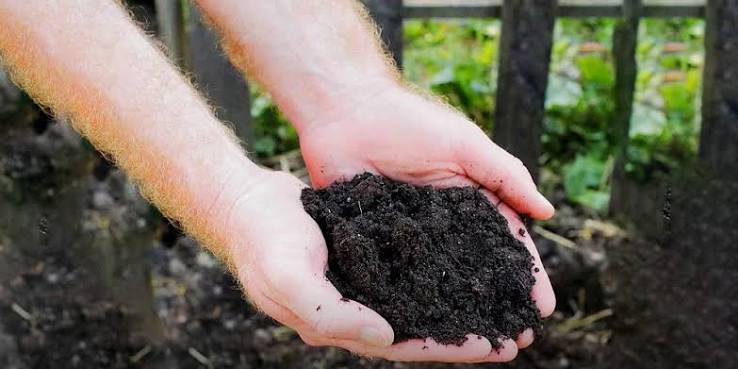
I’d begin with the soil, plain and simple, because that one detail drives almost everything else. A sandy subgrade near the Catawba River behaves differently from the red clay and mixed fill common across Mecklenburg County, Gaston County, and Union County. Shallow problem and mostly clean but loose? Compaction and moisture conditioning may be enough. Clay-rich soil that holds water? Lime stabilization usually makes more sense. Marginal ground that is not a lost cause? Geotextile separation or a geogrid can bridge weak spots. And if the material is organic, contaminated, or just too far gone, undercut and replacement is usually the honest answer.
The biggest mistake I see is choosing a fix before anyone knows the soil classification. A lab report with Unified Soil Classification System terms, moisture content, Atterberg limits, and Proctor data can spare you a second bill. Honestly, that’s where people get burned. If you are building a driveway in Huntersville, a parking lot in Pineville, or a utility pad near Matthews, the answer can change by parcel, not just by town.
Who is this not for? If you want a one-size-fits-all fix, soil stabilization is the wrong bucket. Site-specific. Not a shelf item.
How do I choose between lime, cement, geosynthetics, and replacement?
Base the decision on soil chemistry, treatment depth, moisture, and how much time the project can live with. And when the site is variable, ask a geotechnical professional to confirm the choice.
Here is the short version:
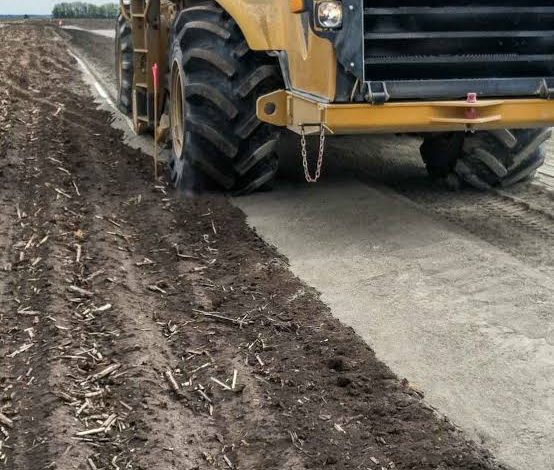
- Lime stabilization works best for plastic clays and silty clays that need drying and strength gain.
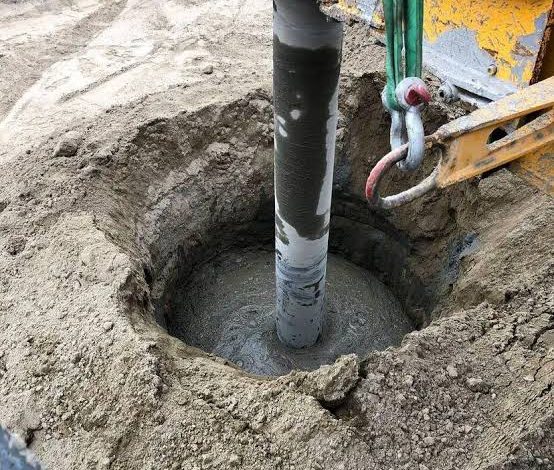
- Cement stabilization works better for granular soils, some silts, and cases where early strength matters.
- Geotextiles and geogrids help separate, reinforce, and spread load, especially over weak subgrades.
- Undercut and replace is the fallback when the soil is organics-heavy, unstable, or too wet to treat reliably, though a geotechnical professional should verify that the material truly needs removal.
- Mechanical stabilization — compaction, grading, blending, and drainage correction — can be enough when the failure is minor.
In Charlotte and the surrounding I-485 corridor, clay and seasonal wetness matter. After a stretch of rain, a site can look fine on top and still fail under a roller or dump truck. Lime is often a good fit where the soil is plastic and the work can wait for mellowing and curing. Cement can gain strength faster, but it is less forgiving if the moisture content is wrong. Geosynthetics do not change bad chemistry; they manage load and separation, which is why they often ride along with another method instead of standing alone.
I’d be wary of any proposal that skips testing and jumps straight to “add some binder.” A geotechnical professional should review the soil when there is any chance of organic matter, sulfates, or highly variable fill, because the wrong treatment can react badly. That is especially true on infill lots and older commercial sites in Charlotte, where fill depth can vary across a short run. The Federal Highway Administration and ASTM testing standards both treat soil classification and moisture testing as core inputs to stabilization decisions.
If your project sits on a slope or near drainage swales, stabilization alone may not hold unless the runoff is fixed too. Water ignores wishful thinking.
What does soil stabilization cost in Charlotte, NC?
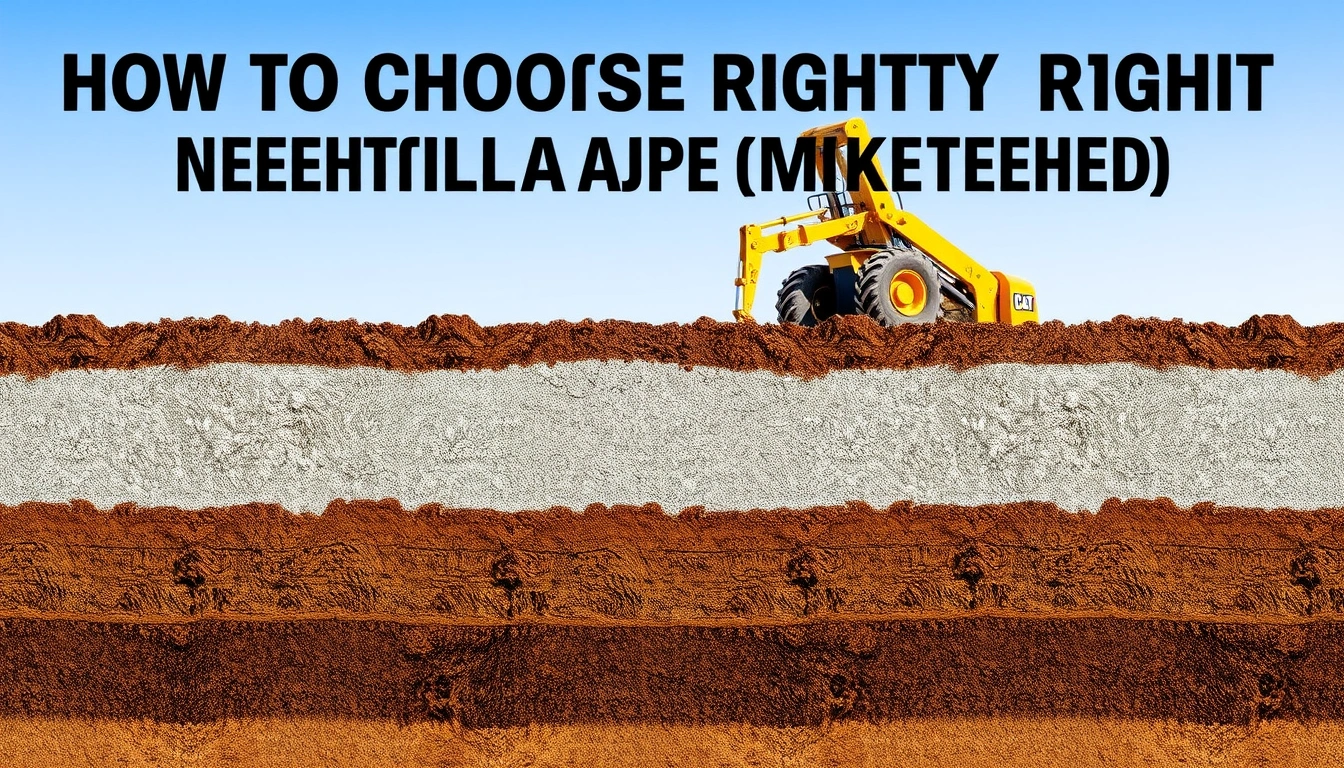
Cost depends on soil depth, access, material choice, and how much rework the site needs.
Here are realistic planning ranges for the Charlotte area and nearby suburbs such as Matthews, Mint Hill, Huntersville, Cornelius, Concord, Gastonia, and Rock Hill, assuming typical access and no major utility conflicts:
| Method | Typical local price range | Best use |
|---|---|---|
| Mechanical compaction and moisture conditioning | $1 to $4 per sq. ft. | Minor subgrade correction, pads, light-duty drives |
| Lime stabilization | $3 to $8 per sq. ft. | Plastic clay soils, moisture reduction, moderate strength gain |
| Cement stabilization | $4 to $10 per sq. ft. | Faster strength gain, granular or mixed soils |
| Geotextile separation layer | $1.50 to $5 per sq. ft. | Weak wet subgrades, driveway bases, access roads |
| Geogrid reinforcement | $2 to $6 per sq. ft. | Load distribution over soft spots |
| Undercut and replace | $6 to $15+ per sq. ft. | Organic soil, unstable fill, severe saturation |
Those are planning numbers, not quotes. A 6-inch treatment depth is not the same as a 12-inch depth, and trucking aggregate to a site in South End is a different job from a larger access road in Statesville or Shelby. Haul distance, disposal fees, compaction testing, and rainfall delays can shove the price around fast.
The cheapest option is not always the least expensive in the end. A low bid that leaves soft spots under a slab or pavement base can turn into settlement repairs, patching, or drainage work later. I’d rather see a quote that spells out depth, material type, and proof-roll expectations than a vague lump sum.
If a contractor will not separate mobilization, earthwork, treatment, testing, and finish grading, the number is too fuzzy to compare.
How Charlotte’s clay, rain, and permits change the job
Charlotte’s clay soil and frequent rain make moisture control and drainage part of the stabilization method, not a side issue.
Much of the greater Charlotte area sits on clayey soils and mixed fill that can get sticky when wet and hard when dry. That swing matters. Clay can rut under equipment after a storm and then compact poorly once it dries out. In plain terms, timing is part of the design. A method that works in a dry week can fail during a rainy spell if the contractor cannot maintain moisture content and traffic control. That math stops working fast.
I’d also pay attention to the local job context. A residential driveway in Dilworth or NoDa may need a much lighter treatment than a commercial pad near the Charlotte Douglas Airport corridor or a warehouse site off Wilkinson Boulevard. In Mecklenburg County, stormwater controls, erosion control measures, and permit thresholds can come into play, especially when grading changes drainage patterns or disturbs enough soil to trigger review. Requirements vary by jurisdiction, so the safe move is to check with the local building or land development office before the first machine rolls.
The permit question is not just paperwork. If the site needs a sediment fence, inlet protection, or phased grading, that can change the sequence of stabilization. For example, a site may need temporary stabilization first, then final treatment once the rainiest part of the season passes. On larger commercial work, geotextile under access lanes is often used early to keep trucks from destroying the subgrade before the permanent system is built.
For technical standards, I look to sources such as ASTM standards for soil testing and the American Society of Civil Engineers guidance that engineers use when designing earthworks. For local rules, the Mecklenburg County stormwater and land development requirements are the right place to start.
How long does soil stabilization take?
Most small projects take 1 to 3 days of field work, but curing can take 7 to 14 days or more depending on the method.
That timeline matters because the project may not be “done” when the crew leaves. Mechanical compaction can be finished quickly if the soil is already close to spec. Lime treatment usually needs mixing, mellowing, reworking, compaction, and curing time. Cement-treated soils often reach usable strength faster, but they still need proper moisture and curing conditions. Geotextiles and geogrids can go in quickly, yet they depend on the rest of the base buildout. Undercut and replacement can take the longest if haul-off and import fill are involved.
In Charlotte, I would plan around weather windows. Heavy rain can stop earthwork, saturate clay, and force a site to sit for several days before it can be worked again. Late fall and spring are often more manageable than the wettest stretches of summer storms, though every parcel is different. A flat lot in Ballantyne drains differently from a tighter urban site in Uptown or an older road frontage in Mount Holly. To be fair, weather rarely cares about the schedule.
If your schedule is tight, ask one direct question: “How many calendar days until this area can carry traffic or receive the next trade?” If the answer is vague, the stabilization plan is probably vague too.
How do I vet a soil stabilization contractor in the Charlotte area?
Vet them by asking for the soil report they want, the method they recommend, and the exact compaction or curing target they will hold to.
A serious contractor should be able to talk about:
– soil type and moisture control,
– treatment depth in inches,
– compaction target, often tied to a Proctor test,
– whether proof rolling will be used,
– what happens if soft spots appear after rain,
– and what testing agency will confirm the result.
If the job is in Mecklenburg County, I would also ask how they handle erosion control, spoil haul-off, and utility conflicts. A contractor who works in Charlotte, Concord, Monroe, Huntersville, and Fort Mill should know that suburban access roads and infill lots create different staging problems than open land does.
A useful sign is when the contractor says “I need a soil report” before they say “I can fix it.” That is the correct order. A warning sign is the opposite: a quick quote based on square footage alone, with no mention of soil class, depth, drainage, or testing. Another warning sign is a proposal that promises a permanent fix without explaining curing, maintenance, or limits. Soil stabilization is not magic. It is controlled risk reduction.
I’d also check whether they coordinate with a geotechnical engineer when conditions are uncertain. On a site with soft fills, old debris, or high groundwater, a quick field guess can get expensive.
Red flags: quotes that should worry you
A quote that ignores testing, depth, drainage, or curing is the one I would distrust first.
These are the biggest red flags in Charlotte and nearby towns:
- One-line pricing with no scope. If the quote says only “stabilize soil” and gives a single lump sum, you cannot tell whether it includes mixing, import fill, testing, or restoration.
- No mention of soil moisture. Clay in the Charlotte region is moisture-sensitive. If that is missing, the plan may be superficial.
- No allowance for soft spots or undercut. A site with variable fill often needs spot repair beyond the main treatment.
- Promises to fix everything with one product. Lime, cement, geotextile, and replacement each have limits. Anyone pretending otherwise is overselling.
- No testing standard named. I would expect to hear a reference to Proctor compaction, field density testing, or a comparable geotechnical benchmark.
This is also where emergency work gets tricky. If a driveway washout or access lane collapse needs same-day attention in Charlotte, the first goal is usually safe access and temporary stabilization, not the final build. A fast response can keep a site usable, but it may cost more because of mobilization, after-hours labor, or limited material options.
When should I schedule the work in Charlotte?
I would schedule it before the wettest part of the job window, and I would avoid waiting until the site is already failing.
In Charlotte, scheduling matters because rain changes everything. If the project is a new slab, driveway, parking lot, or utility corridor, the best time is usually when the site can be graded, treated, and protected before repeated traffic starts. Spring and fall often give more workable windows than the storm-heavy stretches of summer, but a dry spell in winter can be just as useful if temperatures cooperate and the method chosen allows it.
For projects in surrounding areas like Davidson, Cornelius, Matthews, Indian Trail, or Rock Hill, the same rule applies: the stabilization method should match both the soil and the calendar. Lime needs curing time. Cement needs the right moisture. Geosynthetics need proper subgrade prep. Undercut and replacement need haul trucks and disposal timing. If the schedule is too tight for the method, the schedule is the wrong one.
A method that might be right for a planned sitework package can be wrong for emergency access restoration. That is why the “right” choice is not just about soil strength. It is about sequence.
FAQ: soil stabilization in Charlotte, NC
Can I get same-day soil stabilization for an emergency access issue?
Sometimes, yes, but same-day work usually means temporary stabilization first, not the final build. For a washed-out drive or soft access lane in Charlotte, a contractor may be able to place stone, geotextile, or temporary fill the same day if access is clear and material is available.
Do I need a soil report before I book the job?
Yes, if the site is more than a minor patch. A basic geotechnical report can save time and prevent the wrong method from being used on clay, fill, or wet subgrade.
Is a free estimate enough to choose a method?
A free estimate is useful only if it includes the soil condition, treatment depth, and what is excluded. A number without a method is not enough to compare bids.
Will stabilization stop future settling?
It reduces the risk, but it cannot guarantee zero settlement. Settlement from poor drainage, buried debris, or bad fill can still happen if the root cause is not removed.
Should I choose the cheapest method?
Not if the soil is wet, plastic, or variable. In Charlotte, the cheapest option often costs more later when a driveway cracks, a slab settles, or a parking area pumps after rain.
If you want the safest decision, start with the soil report, then match the method to the failure mode, the schedule, and the local drainage conditions. That is the shortest path to a stable site in Charlotte and the surrounding communities.