When to Stabilize Soil Instead of Underpinning a Foundation
Last updated: September 10, 2026
Key Takeaways
- A more involved job that includes grading, crawlspace access, or plumbing coordination can take 2 to 5 days.
- North Texas soils can shrink hard in a dry stretch and then heave when the rain returns.
- But when the foundation needs real structural support, it is the cleaner fix.
- You should slow down when the quote is short on diagnosis and long on confidence.
A shifting slab in Dallas is usually telling you something simple: the dirt moved first. Not the house. Not always, anyway. If the foundation is moving because the soil under it is weak, wet, or shrinking, I would look at soil stabilization first when the structure is still basically sound and the movement is caused by soil conditions rather than a failed footing. That is the core of when to stabilize soil instead underpinning foundation. Underpinning is for when the foundation itself needs deeper or stronger support; soil stabilization is for when the ground can be improved enough to stop the problem without rebuilding the load path.
That difference matters in Dallas, Fort Worth, Arlington, Plano, Irving, Garland, Richardson, and the surrounding suburbs, because North Texas clay soils expand and contract with moisture changes and can push a slab around long before a footing has truly failed. Pick wrong, and the bill can get silly fast. You can spend thousands on steel or piers while the real problem under the slab keeps shifting.
What soil stabilization does that underpinning does not
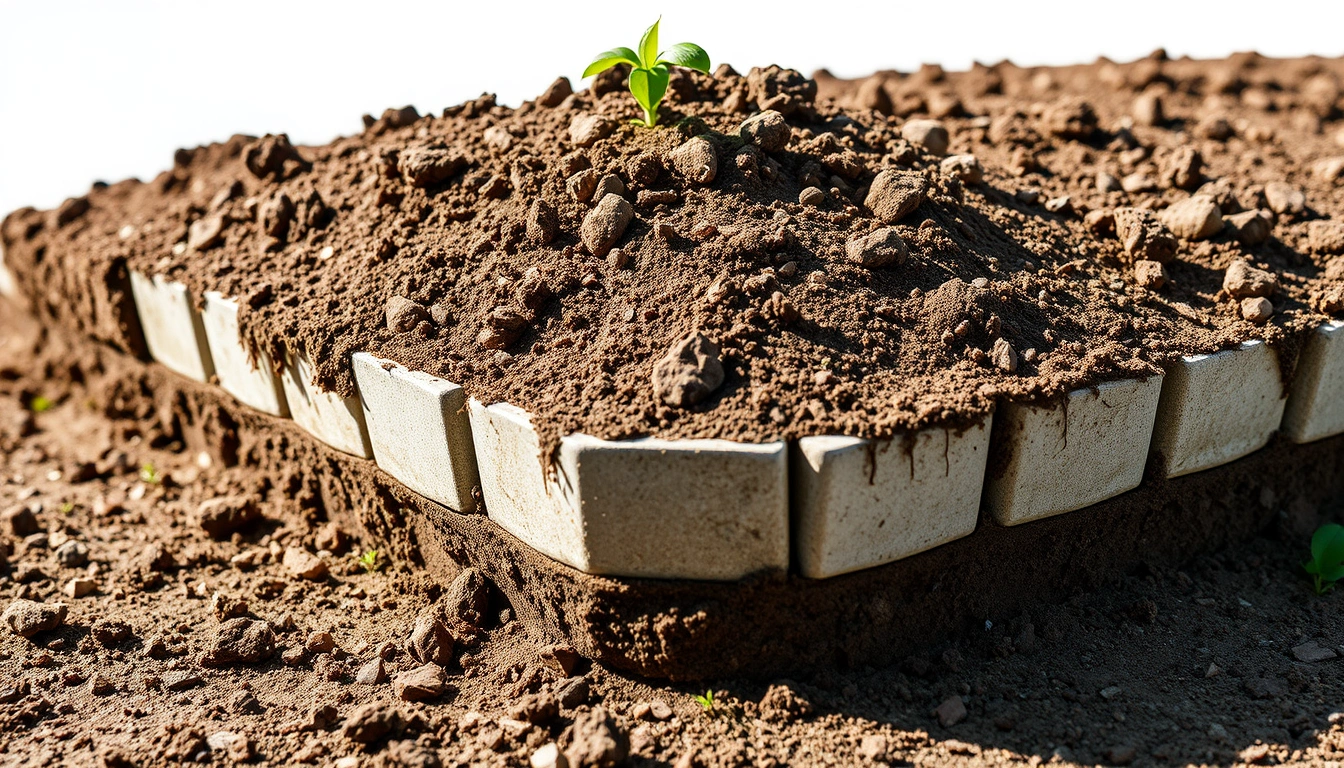
Soil stabilization strengthens or dries the soil so it can carry the load better, while underpinning transfers that load deeper to a more stable layer. In practical terms, stabilization is about the ground; underpinning is about the foundation. Two different jobs.
That split shows up in the symptoms. Stabilization is usually the better first look when you have:
- slab movement tied to seasonal clay swelling in North Texas
- voids from washout near plumbing leaks or poor drainage
- settlement that is still modest and fairly uniform
- exterior grading that can still be corrected
- cracks that are annoying but not showing a major structural failure pattern
Underpinning is usually the better choice when you have:
- repeated differential settlement in one corner or along one edge
- footings that are too shallow for the active clay zone
- a structure that needs a deeper bearing layer
- a history of continuing movement after drainage and soil work have already been corrected
I would not use stabilization as a shortcut for a badly failing foundation. Broken slab? Hard-racking doors? Multiple places where a pier-and-beam system has lost bearing? Then soil work alone may be too light. Honestly, that’s a different animal.
A useful way to think about it: if the problem is that the soil is misbehaving, stabilization may solve it. If the problem is that the foundation is sitting on the wrong part of the profile, underpinning is the answer.
How do I know if soil stabilization is enough?
Early movement, narrow cracks, and a fixable cause usually point toward soil stabilization. The first sentence I would want a homeowner in Dallas County to hear is this: not every foundation crack needs piers.
Look for these signs:
- cracks under about 1/4 inch that are not rapidly widening
- doors and windows that stick intermittently rather than failing constantly
- floor slopes that feel modest, not extreme
- symptoms that worsen after long dry spells or heavy rain cycles
- evidence of poor drainage, leaking plumbing, or uncontrolled runoff
In a clay-heavy area like Collin County or Tarrant County, I pay close attention to whether the movement lines up with moisture changes. North Texas soils can shrink hard in a dry stretch and then heave when the rain returns. If the movement tracks the weather and the structure is otherwise intact, soil stabilization can be a sensible first move. That rhythm matters more than people think. Like a bad hinge, it repeats.
Stabilization can also be a better fit when the foundation is new enough that the concrete is not yet showing major structural distress. A 15-year-old slab with moderate settlement and drainage problems is a different case from a 60-year-old home with repeated repair history.
Who this is not for: if you have large step cracks in brick, separated framing, or a known footing failure, I would not bet on stabilization alone. At that point, you are usually past the stage where soil improvement can carry the whole fix.
What does soil stabilization cost in Dallas–Fort Worth?
Soil stabilization usually costs less than underpinning, but the price depends on whether the job is chemical injection, mudjacking, drainage correction, or soil replacement. In the Dallas–Fort Worth market, the quote should be tied to the extent of movement, access, and the cause of the instability. No mystery math.
Here is a practical local cost range for common work in the Dallas area:
| Service variation | Typical local price range |
|---|---|
| Diagnostic inspection and repair plan | $0 to a few hundred dollars, depending on company policy |
| Drainage correction and regrading | about $1,500 to $6,000+ |
| Slab void filling / grout injection | about $1,500 to $7,500+ |
| Chemical soil stabilization / injection | about $2,000 to $8,000+ |
| Localized soil replacement and compaction | about $3,000 to $10,000+ |
| Full underpinning with piers | often significantly higher than stabilization, commonly several thousand dollars per piered area |
Those are broad ranges, not a promise. Access under the house, slab thickness, landscaping, plumbing repairs, and the amount of movement can move the price fast. A pier job in Plano with tight access and multiple corners can cost a lot more than a drainage and stabilization fix on a single-story home in Grand Prairie.
The biggest pricing clue is this: if the proposal is heavy on steel, drilling, and structural transfer, you are drifting into underpinning territory. If it is heavy on drainage, soil conditioning, void filling, or chemical treatment, it is a stabilization proposal.
I would be cautious with any quote that jumps straight to piers without explaining the soil condition. In North Texas, the soil often deserves a conversation before the foundation does. For a fast local reality check, compare the scope with the Texas A&M AgriLife Extension guidance on soils and moisture, and review USGS soil-moisture basics before you sign.
Why North Texas clay changes the decision
North Texas clay makes stabilization more attractive because moisture control often addresses the real cause of movement. Expansive clay can swell when it takes on water and shrink when it dries, which means a foundation may move because the supporting soil volume is changing rather than because the footing has reached a bad bearing layer.
That matters in places like Dallas, Irving, Mesquite, Richardson, Lewisville, and Euless, where long dry periods followed by heavy rain can create the exact kind of movement that stabilization is meant to reduce. If the soil is active but the footing is still fundamentally workable, correcting moisture and improving the soil can be enough.
Season matters too. Late summer and early fall often show the most visible shrinkage symptoms after dry stretches. After a wet spring, some homes look fine until the clay dries out again. One ugly month can fool people. That is one reason I would not rush into underpinning based on a single bad month.
Local rules and inspections also matter. In Texas, foundation repair work can involve plumbing checks, drainage work, and permit requirements depending on the city and the scope. Dallas, Fort Worth, Arlington, and Plano all have their own permit and inspection processes for certain repair work, especially when the job affects structural elements or drainage tied to the lot. A contractor should be able to tell you which parts need a permit and which parts do not. If they are vague, that is a warning sign. For a city-level reference, check your permit office and the International Code Council code framework your contractor should know.
For a technical reference point, I would expect a serious contractor to be familiar with the International Residential Code concepts around foundation support and with local city inspection rules, even if the city does not mirror the IRC word for word. I would also want any soil work to respect geotechnical recommendations rather than guessing at depth. Guessing is expensive.
When underpinning is the better choice anyway
Underpinning is the better choice when the foundation needs to be carried to deeper, more reliable support than the surface soils can provide. Soil stabilization cannot replace a footing that is simply sitting in the wrong place.
I would lean toward underpinning if any of these are true:
- settlement is severe or still progressing
- one side of the building is dropping more than the rest
- the structure has had multiple failed repairs
- the local soil improvement would be temporary or incomplete
- a geotechnical report points to deeper support as the durable fix
This is especially true on older homes in Dallas and Fort Worth where shallow footings were common and years of moisture swing have already done a number on the slab. If the house has a long repair history, stabilization may only buy time. Underpinning is more invasive, but it can be the right answer when the building needs a new support strategy.
I would also favor underpinning when plumbing leaks have caused repeated washout beneath the slab and the soil loss is too deep to recover economically. If voids are extensive, filling them may not solve the load issue for long. A Foundation Performance Association check of repair scope can help you compare soil work with structural repair.
The honest trade-off is cost and disruption. Underpinning takes longer, can require more equipment, and can create more cosmetic repair afterward. But when the foundation needs real structural support, it is the cleaner fix.
How long does each option take?
Soil stabilization usually takes less time than underpinning, often ranging from part of a day to a few days, while underpinning can take several days to more than a week depending on the size of the house and the number of supports installed.
For a small stabilization job in the Dallas area, the work may fit into one visit if it is limited to drainage correction, injection, or localized soil treatment. For a repair quote to be useful, it should say whether the crew expects 1 visit or 2 to 5 days. A more involved job that includes grading, crawlspace access, or plumbing coordination can take 2 to 5 days. Underpinning often takes longer because each support point has to be placed, checked, and sometimes rechecked before finish work begins.
Weather matters here too. Heavy rain can slow drainage work, and extreme summer heat can affect scheduling and concrete-related tasks. In North Texas, I would expect a contractor to plan around weather windows, especially from late spring through early fall. You can’t bully the weather.
If you need a fast decision because doors are sticking or a crack is changing every week, ask two direct questions: how soon can you inspect, and how long after inspection before work starts? A solid answer should come with a realistic schedule, not a vague promise. If you want a second opinion, compare the timeline with the Angi foundation repair guide and the contractor’s written scope.
How to vet a contractor in Dallas–Fort Worth
You should ask for a diagnostic explanation, not just a repair price. In Dallas–Fort Worth, a good contractor should be able to explain why stabilization is enough, why underpinning is necessary, or why neither is the first step without using jargon as a shield.
I would ask for these specifics:
- What is the visible movement pattern?
- Is the soil expansive clay, washout, or both?
- Are drainage problems part of the cause?
- Is a plumbing test needed before any structural work?
- Which city permits or inspections apply in Dallas, Fort Worth, Plano, Arlington, or the suburb where the home sits?
- What is included in the warranty, and what is excluded?
A contractor who pushes one solution for every house is a problem. North Texas soils are too variable for one-size-fits-all repair. A home in Frisco with drainage-driven movement is not the same as a pier-and-beam house in Garland with deeper bearing loss.
I would also want the written scope to separate soil work from structural work. If the estimate says “stabilize foundation” without naming the method, that is too loose. I want to see whether the plan calls for compaction, injection, drainage correction, void filling, or actual piers. For a practical checklist, review the Texas Department of Licensing and Regulation site before hiring.
Red flags that tell me to slow down
You should slow down when the quote is short on diagnosis and long on confidence. A repair bid that skips the cause and jumps to the fix is not a good sign.
The biggest red flags are:
- a flat price with no explanation of the soil condition
- no mention of drainage, plumbing, or soil moisture
- a promise that the problem is “completely solved” with no limits
- pressure to sign the same day without time to compare scopes
- no clarity on permits, inspections, or warranty terms
If the contractor will not explain why soil stabilization is enough instead of underpinning, I would not take that as expertise. I would take it as a reason to keep shopping.
The same caution applies in reverse. If a company recommends underpinning immediately but cannot explain the depth, bearing condition, or evidence of footing failure, I would want a second opinion. In North Texas, overrepair is common enough to cost real money. The Better Business Bureau can help you screen complaints before you commit.
FAQ: What buyers in Dallas ask right before they call
Can soil stabilization be done the same day?
Sometimes, yes, if the issue is straightforward and the crew already has the materials and access they need. A simple stabilization or drainage visit may start within a day or two, but structural repairs that need permits or plumbing checks usually take longer. Pretty common, actually.
Is there a free estimate for foundation stabilization in Dallas?
Some companies offer free estimates, while others charge for a diagnostic visit or engineering review. I would treat a paid evaluation as worthwhile if it includes a clear explanation of whether stabilization or underpinning is actually needed. That 1 visit can save you from a $5,000 mistake. Cheap upfront; costly if wrong.
Does a cracked slab always mean underpinning?
No, a cracked slab does not automatically mean underpinning. Cracks can come from shrink-swell clay, drainage, plumbing leaks, or localized voids. The key question is whether the foundation has lost support or whether the soil can still be corrected. If the crack is under 1/4 inch and stable, soil stabilization may still be on the table.
What suburbs around Dallas usually need this kind of work?
Homes in Plano, Richardson, Garland, Irving, Mesquite, Arlington, Grand Prairie, and nearby cities often deal with the same expansive-clay and drainage issues as Dallas proper. That is why the repair choice should be based on the soil and the movement pattern, not the zip code alone.
Should I wait for dry weather before scheduling an inspection?
No, I would not wait if the cracks are changing or doors are sticking. An inspection in a dry spell can actually help reveal shrink-swell movement, which is useful in North Texas. If the house is moving fast, call now rather than waiting for a more “convenient” season. Waiting can backfire.
Bottom line
Soil stabilization is the better choice when the problem is mostly the ground, the movement is still limited, and North Texas clay, drainage, or washout can be corrected without deep structural support. Underpinning is the better choice when the foundation itself needs a stronger, deeper load path. For homeowners trying to decide when to stabilize soil instead underpinning foundation, the key is still the same: match the repair to the failure, not the fear.
If I were deciding on a Dallas-area home, I would start with the question that actually matters: can the soil be fixed well enough to stop the movement, or has the foundation already crossed into structural failure? That answer should drive the repair, not habit, fear, or the most expensive line item on the page.