How Soil Stabilization Helps with Driveways, Slabs, and Small Foundations
Last updated: September 10, 2026
Key Takeaways
- The best timing for many residential jobs is usually a relatively dry stretch of 2 to 5 days.
- For a small concrete project, the prep can take 1 to 3 days, while the stabilization itself may take only part of that time.
- A small driveway or slab area often takes 1 to 3 days for excavation, treatment, and compaction, depending on weather and access; consult a qualified professional for site-specific timing.
- In Central Texas, the issue is often expansive clay.
Soil stabilization helps with driveways, slabs, and small foundations when the ground under a driveway, slab, or small foundation is too soft, too wet, too expansive, or too loose to carry the load without settling. Put simply, it cuts down movement before the concrete goes in. Usually, that is cheaper than fixing cracks, sunken edges, or drainage trouble later.
I wrote this for homeowners, small builders, and property managers in Central Texas and nearby suburbs like Round Rock, Pflugerville, Cedar Park, Leander, Georgetown, Buda, Kyle, and San Marcos. Clay soils, shrink-swell movement, and stormwater runoff can make a shallow base fail fast there. Honestly, that last part is the one people underestimate. If you are deciding whether stabilization is worth a call, the short answer is yes when the subgrade is the weak point, not the concrete itself.
What soil stabilization actually does under a driveway or slab
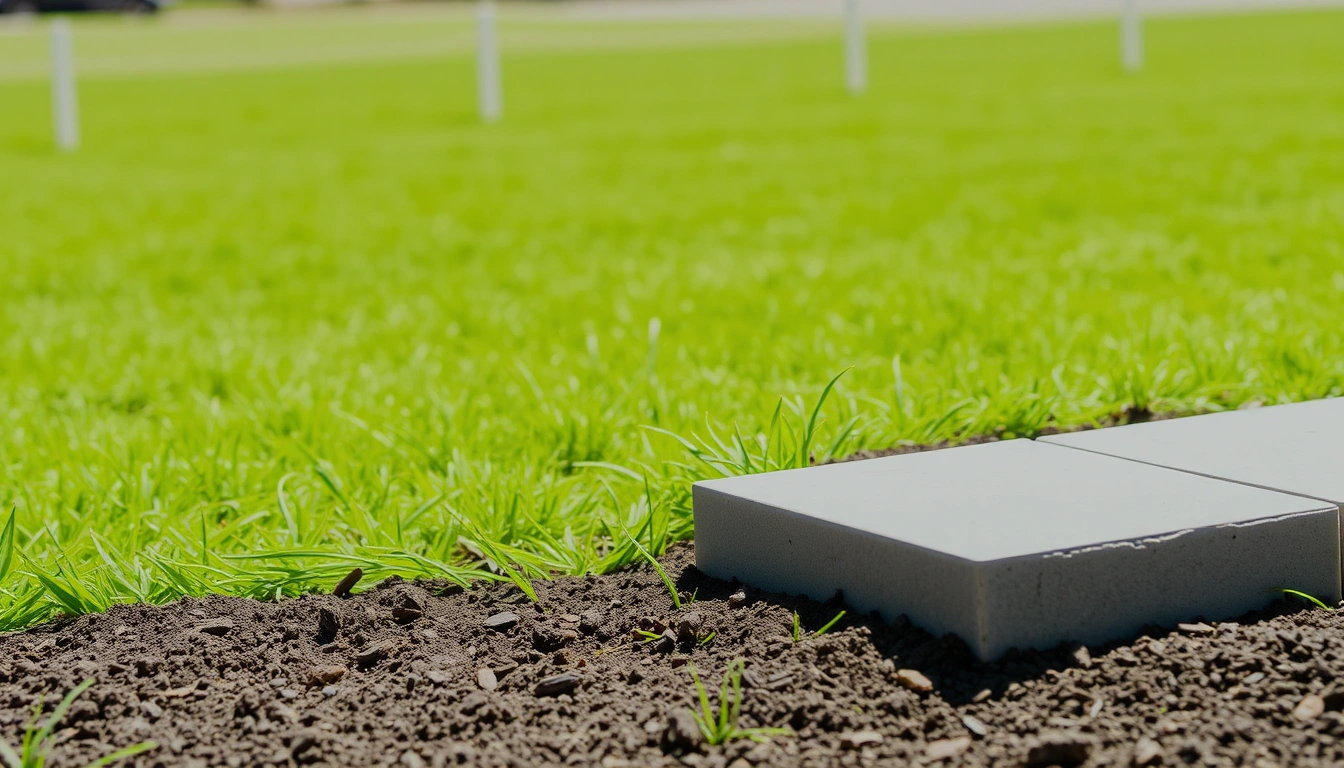
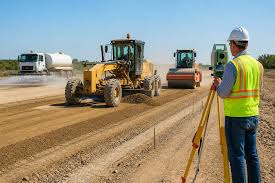
Soil stabilization helps with driveways, slabs, and small foundations by turning weak ground into a more dependable base through changes to moisture response, density, or composition. Beneath a driveway, slab-on-grade, or small footing, that usually means less pumping, less rutting, and fewer voids under the concrete edge. For technical guidance, see the USDA NRCS overview of soil quality and stabilization concepts and the Texas A&M AgriLife guidance on expansive soils.
In Central Texas, the issue is often expansive clay. Wet clay swells; dry clay shrinks and pulls away. That cycle can move a driveway panel by a few tenths of an inch — enough to crack the slab and leave a lip at the joint. Not pretty. A stabilized subgrade is not magic, but it does give the slab a more even platform.
The main methods are mechanical compaction, lime treatment, cement treatment, and, in some cases, geogrid or geotextile reinforcement. For a residential driveway or a small detached garage slab, consult a qualified geotechnical or paving professional about performance and soil type first, not product branding. Clay, silt, fill dirt, and decomposed limestone each behave differently. See also the Texas Department of Transportation materials on soil treatment and compaction.
This is not the right fix if the concrete is already structurally damaged because of rebar corrosion, bad drainage from the roof, or a failed foundation design. Stabilization solves ground support problems; it does not erase every cause of cracking. Different job.
Why driveways fail in Austin-area soil
Driveways fail here because the base and subgrade move more than the concrete can tolerate. In Travis, Williamson, Hays, and nearby counties, blackland clay and mixed fill can hold water after a hard rain and then dry out aggressively during long hot spells.
That matters most where a driveway meets a garage slab or street apron. Those are high-stress transition points, and even a 1/2-inch difference in support across a panel can show up as cracking, flaking, or an edge that feels hollow when it is driven on. Before any pour, I would watch three things: drainage, proof-rolling results, and how the native soil reacts when wet. Simple, but not easy.
Here is where stabilization helps most on driveways, and a contractor or engineer should confirm the right approach for the site:
- Under a new pour on soft subgrade that fails compaction
- Over old fill that has settled unevenly
- At widened driveways where the new section meets old concrete
- On slopes where runoff keeps washing fines away
A generic article often stops at “it prevents settling.” That is too vague for a buyer. The real issue is differential movement. A whole slab that sinks evenly is still a problem, but a slab that sinks on one side first is what creates trip edges and broken joints.
If you are in Round Rock or Pflugerville, where new subdivisions often mix imported fill with native clay, the risk is not just soil type. It is inconsistent compaction across the lot. Stabilization can make the base more uniform before the pour. Good insurance, really.
How soil stabilization helps slab-on-grade construction
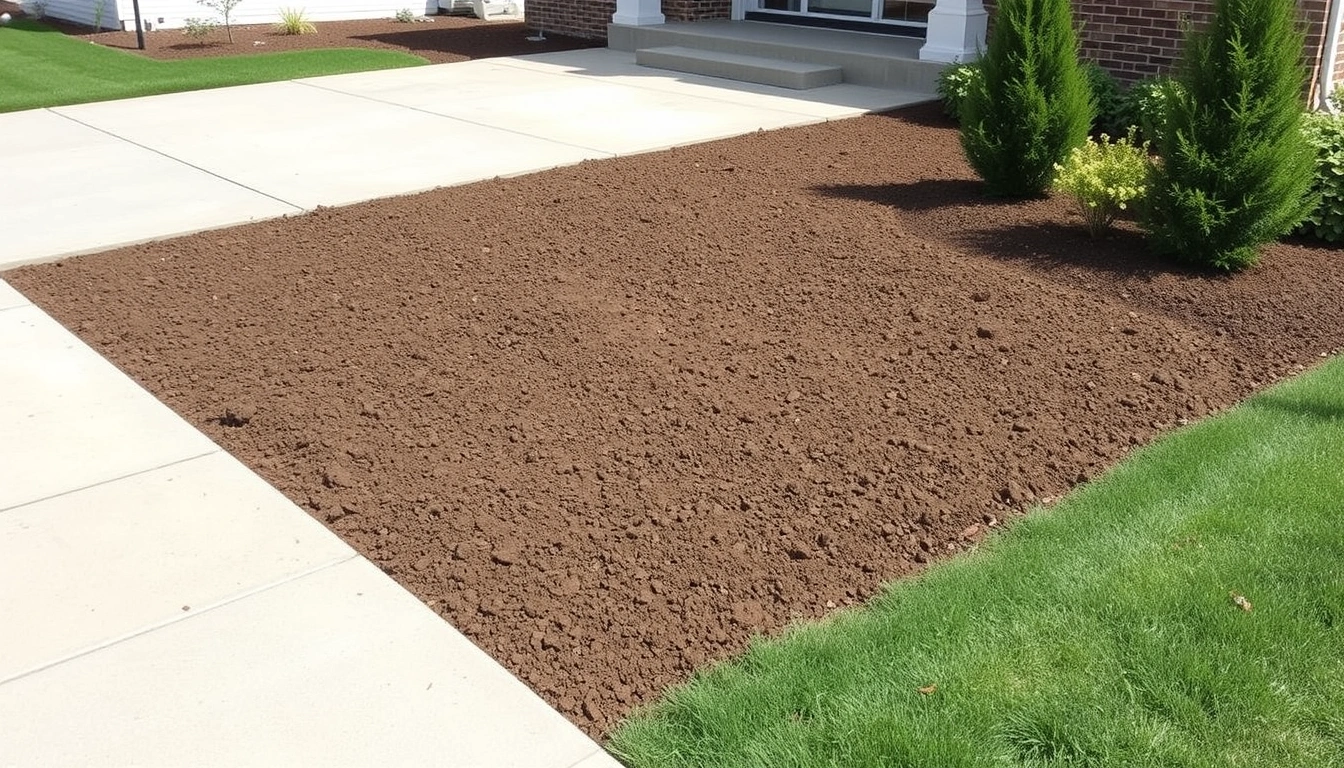
Soil stabilization helps with driveways, slabs, and small foundations by creating a more predictable bearing surface, which reduces the chance of corner lift, edge settlement, and random cracking. For a house addition, accessory dwelling unit, workshop, or detached garage, that predictability matters more than a slightly higher initial cost.
A slab does not need “hard” soil everywhere; it needs consistent support. That is why a compacted 6-inch lift of suitable material can outperform a patchy 12-inch layer of loose fill. Contractors may undercut weak material, replace it with engineered fill, and compact it in lifts with moisture control. On some sites, lime treatment is used to dry and modify clay before the slab prep begins, but a geotechnical or paving professional should confirm whether that method fits the soil.
The reason this is a buyer decision, not just a technical one, is simple: slab repair is painful once finishes are in place. A floor that lifts 3/8 inch after the fact can mean patching tile, adjusting doors, and chasing hairline cracks. Stabilization is one of the few chances to solve the problem before the slab locks everything in. Otherwise, the bill starts snowballing.
I would choose stabilization before a slab pour if any of these are true:
- The geotechnical report calls for treatment of the upper 8 to 12 inches
- The lot has known expansive clay or old uncontrolled fill
- The grade drifts toward the slab instead of away from it
- The builder has to cross soft areas after rain
This is not the best option for every small project. If the site already has good native bearing soil and proper drainage, a standard compacted base may be enough. Paying for soil treatment where it is not needed adds cost without much benefit.
Small foundations: where the payoff is biggest
Soil stabilization helps small foundations most when the load is concentrated and the footprint is limited. That includes detached garages, sheds on slab, porch additions, small retaining walls, outdoor kitchens, and minor commercial pads.
A small foundation can fail for reasons a larger building can tolerate. The smaller the footprint, the more sensitive it is to one soft spot. A 10-by-20-foot slab over a wet patch can settle enough to telegraph through the floor in a way that a larger slab might average out. I tend to see stabilization as a risk-reduction step, not a luxury upgrade.
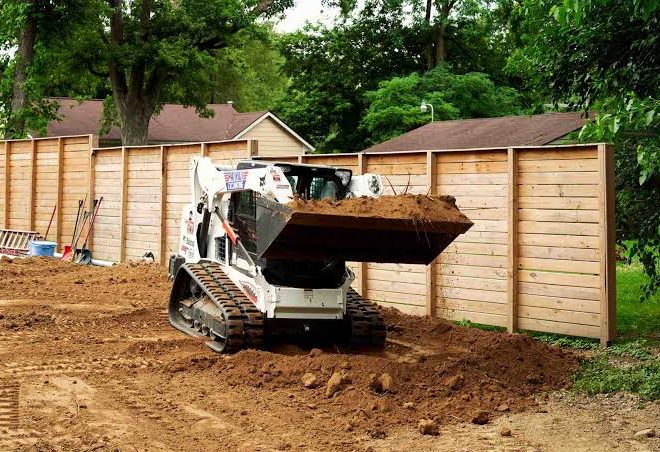
Cost and scope are the trade-off. If you are building a small slab in Cedar Park or Leander on a site that needs undercutting, the stabilization work may take a full day before any vapor barrier or reinforcement goes down. If the soil has to be lime-treated, the schedule can stretch because the material needs time to condition and be reworked. That extra day or two can save a repair cycle later, but only if the foundation design actually needs it. Otherwise, it is just extra time.
It is also worth saying what stabilization will not fix:
- A foundation design that ignores drainage
- Roof runoff dumped at the slab edge
- Improper reinforcement placement
- Structural loads that exceed the slab’s intended use
For anything that carries significant load or ties into the main house, I would want a design from a qualified structural professional or geotechnical source before spending money on soil treatment. That is especially true if the lot has a history of movement or prior slab repairs. No shortcuts here.
What it costs in Austin and nearby suburbs
Soil stabilization around Austin usually costs less than repairing a failed slab later, but the price depends on the method, depth, and how much weak soil has to be treated. For a small residential project, I would expect quotes to vary more by site conditions than by neighborhood name.
Here is a practical local cost table for driveways, slabs, and small foundations in the Austin area:
| Stabilization scope | Typical local price range |
|---|---|
| Light compaction and moisture conditioning for a small driveway pad | $500 to $1,500 |
| Undercut and replacement of soft spots on a residential driveway | $1,500 to $4,000 |
| Lime stabilization for a small slab area | $2,000 to $6,000 |
| Cement-treated base for a small foundation or garage slab | $3,000 to $8,000 |
| Geogrid/geotextile reinforcement with base prep | $1,000 to $3,500 |
These are broad working ranges, not fixed prices. A short driveway in Buda on decent soil can be much simpler than a sloped lot in San Marcos with poor drainage and soft fill. Haul-off, access, wet weather delays, and permit requirements can move the number quickly. Messy sites always bite the budget.
For a small concrete project, the prep can take 1 to 3 days, while the stabilization itself may take only part of that time. The hidden cost is often not the treatment material; it is excavation, moisture correction, and disposal of unsuitable soil.
If a quote is far below the local ranges, I would ask what was left out. If a contractor is not mentioning compaction, undercut depth, or moisture control, the number may be low because the scope is incomplete. That’s the trap.
When Austin weather and soil make the timing tricky
Soil stabilization is usually best done before long dry spells or right after a stretch of manageable weather, not during saturated conditions. In Central Texas, summer heat can dry clay fast, while heavy rain can make compaction almost useless for a few days.
That seasonal swing matters because stabilized soil has to be placed and compacted at the right moisture content. Too wet, and it can smear and never compact properly. Too dry, and it may not bind or densify the way the spec calls for. For lime or cement treatment, weather controls the pace even more.
A practical rule in the Austin area is to plan ahead of peak rain periods and avoid last-minute pours after a storm. Spring can bring quick downpours, and late summer can be hot enough to make moisture control a constant job. The best timing for many residential jobs is usually a relatively dry stretch of 2 to 5 days.
This is one reason emergency same-day service is limited on soil work. If a driveway has already washed out, a contractor can often do temporary stabilization or safe access work the same day, but a permanent fix usually needs excavation, drying, and compacted lifts. Anyone promising a fully permanent remedy in a few hours should be explaining exactly how they will handle moisture, compaction, and testing. Otherwise, it is smoke and mirrors.
How to vet a contractor before you book
Soil stabilization contractors should be able to explain the soil, the treatment depth, and the compaction standard in plain language before they talk price. If they cannot, I would keep looking.
For the Austin market, I would ask for these specifics:
- What soil type they think is on the site: clay, fill, silt, or mixed
- How deep they plan to undercut or treat, such as 6, 8, or 12 inches
- What compaction target they use, often expressed as a percentage of standard proctor density
- Whether they will provide a compaction test or inspection report if required
- Whether permits or engineering are needed for the slab or foundation type
In Texas, some residential work does not need a permit in the same way a large commercial pad would, but city rules vary by jurisdiction. Austin, Round Rock, Pflugerville, Cedar Park, and other cities can have separate permit, drainage, or inspection triggers depending on the size and type of the work. If the project ties into an existing structure or changes drainage, I would check local building requirements before committing.
A good contractor should also tell you when stabilization is the wrong fix. If they never say no, that is a warning sign. Honest limits matter more than a polished sales pitch.
Red flags: quotes that should worry you
A soil stabilization quote should worry me if it ignores drainage, skips site prep, or treats every lot like it has the same soil. That usually means the scope is too thin to hold up under Austin-area clay and stormwater.
Watch for these red flags:
- No mention of undercut depth or recompaction
- No plan for removing wet or organic material
- No discussion of where water will go after the slab is poured
- A flat price with no site visit for a lot with slope or fill
- Claims that the work is “one-size-fits-all” for any driveway or foundation
The most expensive failure is often the one that seems cheapest at first. A driveway that settles at the garage threshold can force saw-cut repairs, edge lifting, and rework of adjoining concrete. A small slab that moves can throw off walls, doors, and floor finishes. That is why I care more about whether the contractor understands the subgrade than whether the bid sounds clean.
This kind of work is not for someone looking for a cosmetic fix. If the problem is only surface cracking in otherwise stable concrete, stabilization may not be the right spend. If the problem is soft ground, repeated settlement, or a site that stays wet after rain, it often is.
FAQ: soil stabilization for driveways and small foundations
How long does soil stabilization take?
A small driveway or slab area often takes 1 to 3 days for excavation, treatment, and compaction, depending on weather and access. If the soil has to dry out or be reworked, it can take longer.
Can soil stabilization be done the same day?
Temporary work sometimes can, but a proper permanent stabilization job usually cannot be rushed into the same day if the soil is wet or the footing has to be reworked. The site conditions decide the schedule.
Do I need a free estimate before I start?
Yes, a site-specific estimate matters because soil type, access, drainage, and depth of treatment change the price. A phone quote alone is usually not enough for a driveway or foundation.
Is soil stabilization worth it for a small patio or shed slab?
If the area sits on fill dirt, clay, or a spot that holds water, yes, it can be worth it. If the soil is already firm and drains well, the benefit may be too small to justify the cost.
Should I call a geotechnical engineer first?
For larger additions, repeated foundation movement, or lots with known soil problems, that is often wise. For a simple driveway replacement, a contractor with the right soil prep process may be enough, but engineering becomes more important as the structure gets heavier or more complex.